Every bull market tempts stackers to stare at the green candle. As of this afternoon, gold trades at $4,689.80, up $133.20, while silver sits at $77.00, up $4.29. Platinum is $2,053.00 and palladium is $1,533.00, both sharply higher on the day. Those are big numbers, but today’s Wisdom Circle is not about guessing the next tick. It is about the old question underneath every ounce: where is it, who controls it, and how fast can you use it?
The news hook is useful. The Economic Times reported that the Reserve Bank of India is accelerating plans to bring home most of its official gold, with roughly 77% of reserves targeted for domestic custody by March 2026. BusinessLine also noted that silver futures rallied strongly after the Federal Reserve kept rates unchanged for a third straight meeting, while geopolitical stress kept bullion bids alive.
Financial Post, carrying Bloomberg’s metals report, framed the backdrop plainly: gold steadied after a three-day fall as a divided Fed held rates steady and war risk clouded the economic outlook.
Central banks do not hold gold for decoration. They own metal for optionality, credibility, and independence. The individual stacker’s lesson is the same, just scaled down: price matters, but custody and liquidity are part of the asset.

For centuries gold served because it was not somebody else’s liability. A bill, bond, bank deposit, or ETF share can be valuable, but it depends on a functioning chain of promises. Physical bullion is different. It is dense, recognizable wealth that can cross regimes, currencies, and market cycles.
That does not mean all storage far from home is foolish. London, New York, Zurich, Singapore, and Dubai grew into bullion centers because settlement, insurance, ining, and vaulting networks matter. Institutions need market plumbing. But history shows why distance becomes uncomfortable in a crisis. Wars, capital controls, sanctions, bank holidays, exchange closures, and policy surprises can turn “owned” into “not accessible today.”
When a sovereign brings gold home, it is not necessarily predicting collapse. It is reducing dependence on foreign custodians and future political permission. Stackers should hear that without drama. A coin in your safe removes counterparty risk but adds security risk. A bank safe-deposit box improves theft protection but may limit access. A private vault can be professional and insured, yet it still introduces a contract. None are perfect; the wisdom is to know which risk you chose.

Today’s gold-to-silver ratio is about 61 to 1, using $4,689.80 gold and $77.00 silver. That ratio is a compass, not a command. Silver’s monetary bid can move violently because the market is smaller, while industrial demand from solar, electronics, and electrification can tighten supply at the margin. Gold remains the central-bank reserve metal, favored when real yields, currencies, and geopolitical confidence are under pressure. Platinum and palladium add another lesson: scarce metals can move hard, but demand tied to autos and industry can be cyclical.
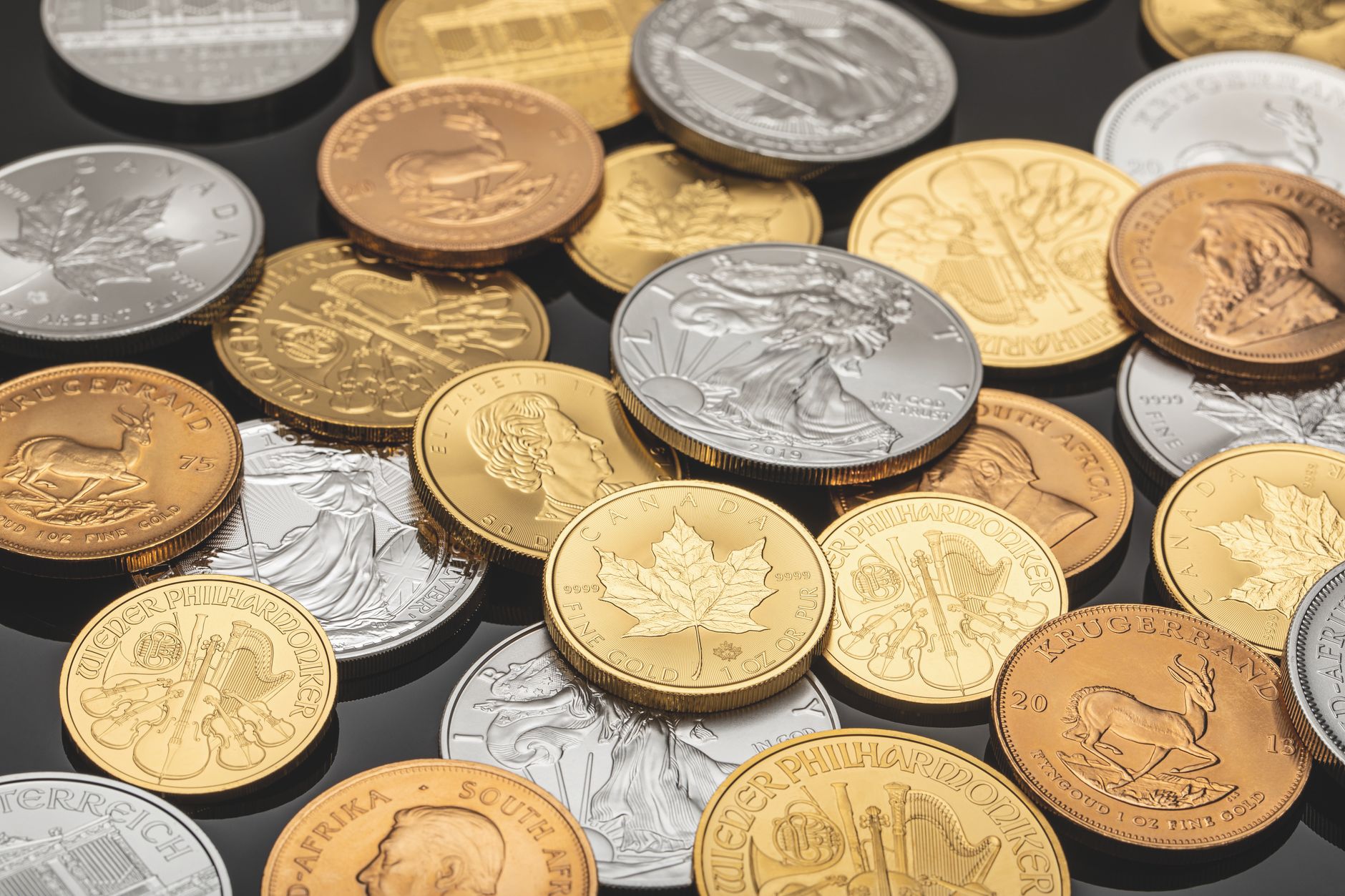
For a stacker, the real purchase price is spot plus premium, shipping, payment cost, and exit spread. A one-ounce Gold Eagle or Maple may cost more than a generic bar, but it is instantly recognizable. Fractional gold is useful for flexibility, yet its premiums can punish impatience. Silver rounds and 10-ounce bars often deliver cheaper ounces, while sovereign coins may resell faster in stressed markets. The lowest premium is not always the best value if the product is hard to verify or unload.
Fundamental rule: buy metal the way you expect to sell it. If your plan is emergency liquidity, own common pieces local dealers bid on every day. If your plan is long-term wealth storage, favor low-cost, well-recognized ounces and avoid novelty premiums. If you are speculating on a shortage, admit that it is speculation and size it accordingly.
A durable stack has three jobs. First, it should provide near-cash liquidity: a modest amount of recognizable silver and gold you can sell locally without explaining a story. Second, it should preserve purchasing power through years of monetary noise: core ounces bought patiently, not emotionally. Third, it should give you optionality: the ability to rebalance, gift, pledge, or move value when ordinary channels become expensive or slow.
New stackers should start boring. Pick a monthly dollar amount, learn the normal premium on a few trusted products, and write down every purchase price. Do not let a 5.9% silver surge convince you that discipline is optional. Seasoned stackers should audit the whole position: what is at home, what is vaulted, what is insured, what is documented, and what your spouse or heirs could actually find and liquidate.
Diversification applies to custody too. A home safe offers speed but demands discretion and security. A safe-deposit box may be appropriate for documents and some metal, but access depends on banking hours and local rules. A reputable private vault can solve scale, insurance, and geography, but you should understand whether holdings are allocated, segregated, audited, and withdrawable in specific bars or coins.
Before your next purchase, ask five questions: What premium am I paying over spot? Who will buy this exact item back? Where will it be stored? What event am I preparing for? And can my family access it if I cannot? These questions are not bearish. They are the practical side of being your own central bank.
India’s repatriation story, the Fed’s rate pause, and today’s sharp metals move point to the same lesson. Bullion is not just a price chart. It is a reserve asset, and reserves are only useful when they are real, liquid, and reachable.
YDB Take: I like gold for core reserve strength and silver for torque, but I like access even more. Build a stack that survives bad headlines, closed offices, and your own emotions; the ounce you can verify and use is the ounce that does its job.
--- *Nothing on YourDailyBullion constitutes financial advice. Always do your own research.*