
The tape this Wednesday: ratio first, emotion second
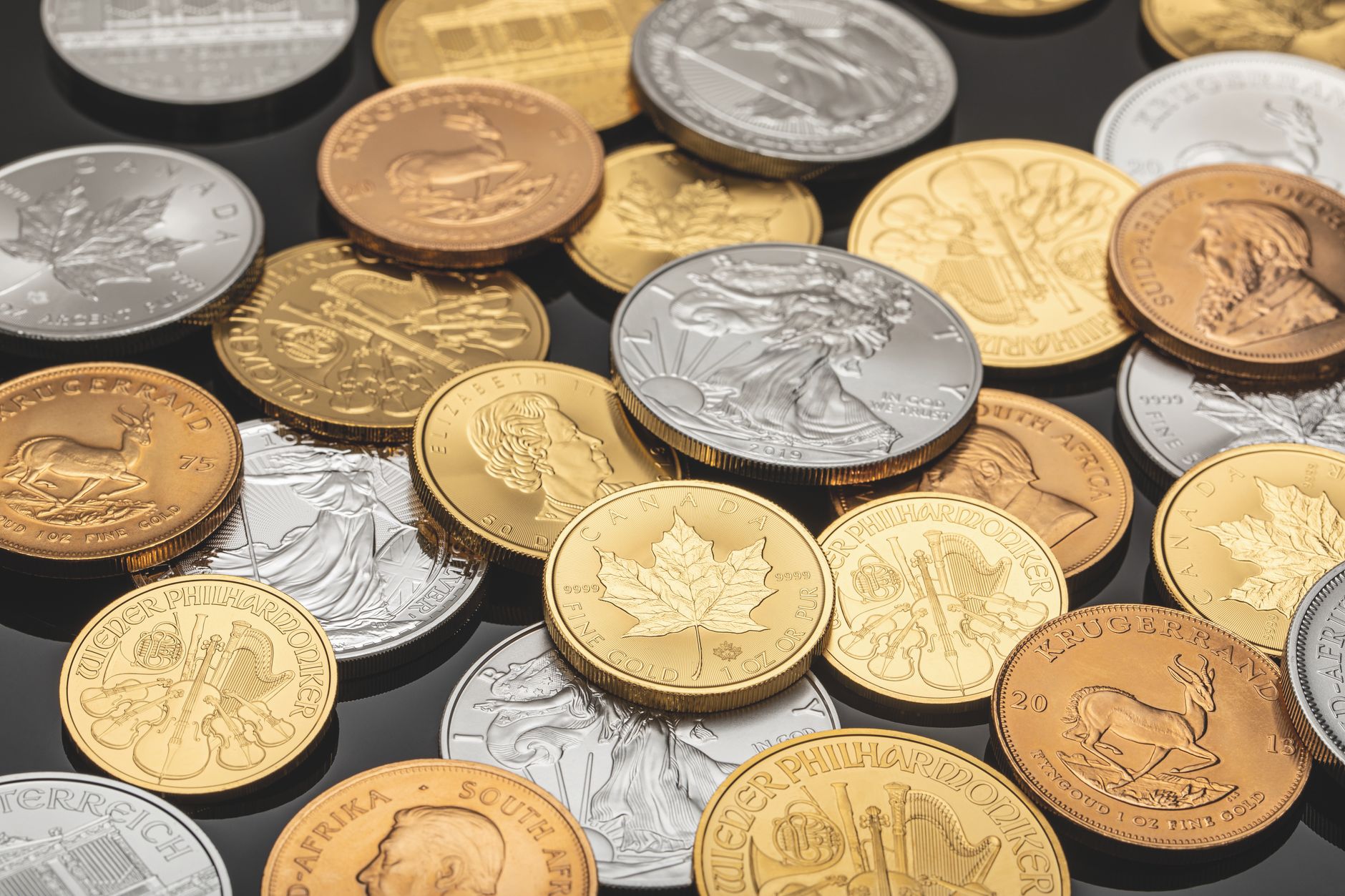
Every bull market teaches the same lesson in a different accent: price gets the attention, but relative value keeps a stacker from losing discipline. As of today’s live YDB price snapshot, gold trades at $4,694.20, down $20.20 on the session, while silver trades at $88.60, up $2.16. Platinum is also firm at $2,183, and palladium sits at $1,499. That puts the gold-silver ratio near 53-to-1, meaning one ounce of gold buys roughly 53 ounces of silver at spot.
That ratio is today’s Wisdom Circle topic because silver is doing what silver often does: moving faster when the white-metal bid arrives. The question is not whether silver is “better” than gold or whether gold is “too expensive.” The better question is whether the ratio is giving us a measured signal about allocation, liquidity, and risk.
Reuters has framed recent bullion trading around a familiar trio: U.S. rate expectations, the dollar, and safe-haven demand—factors that can move gold first and then pull silver along with greater force.
The wisdom is simple but easy to ignore: the gold-silver ratio is a compass, not a command. It will not tell you the exact day to buy, sell, or swap. It will, however, keep you from letting a one-day candle do the thinking for you.
History: from mint ratio to market signal

The gold-silver ratio is older than futures screens, exchange-traded funds, or social-media price targets. Under the early American bimetallic system, the Coinage Act of 1792 effectively set a ratio near 15-to-1. Other monetary regimes used similar official ratios, but the market never stopped having its own opinion. When law and market disagreed, one metal tended to disappear from circulation while the other did the daily work.
That history matters because it reminds us not to treat any ratio as sacred. In the fiat era, the ratio floats. It has spent time near 30, above 80, and, during extreme stress, even above 100. Against that backdrop, today’s 53-to-1 reading is not an obvious historical extreme. Silver has momentum, but the ratio alone does not scream that silver is finished or that gold should be abandoned.
For seasoned stackers, the ratio is useful precisely because it slows the conversation down. A high ratio often tells us silver is cheap relative to gold or that markets per monetary safety over industrial cyclicality. A falling ratio tells us silver is catching a bid, risk appetite is improving, or industrial demand is being repriced. It is a signal of behavior before it is a signal of value.
Fundamentals: why gold and silver part ways
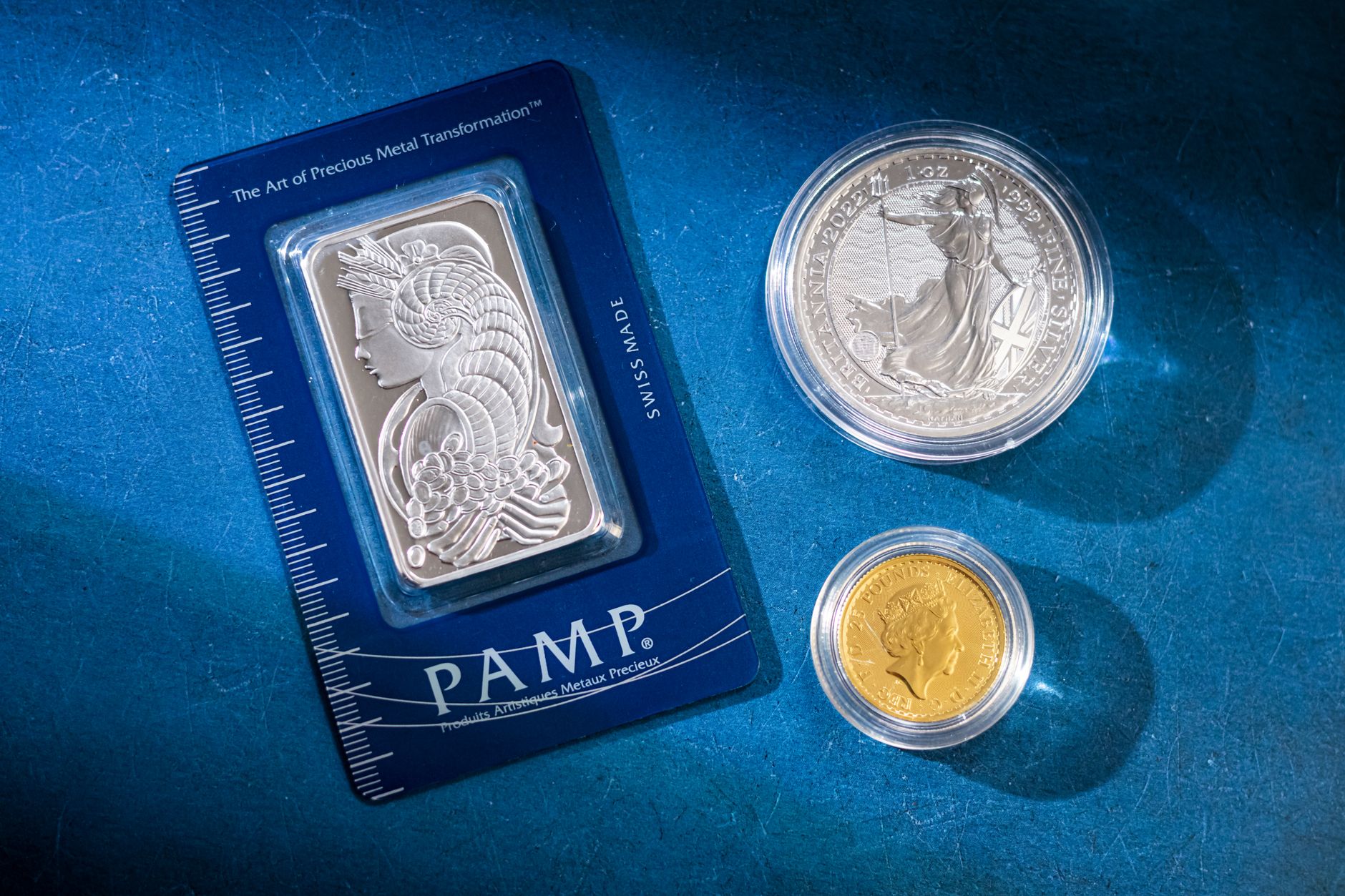
Gold is primarily a monetary metal. Almost every ounce ever mined still exists in some recoverable form, and central banks, sovereign funds, families, and long-horizon investors hold it because it carries no counterparty promise. The World Gold Council’s central-bank surveys have repeatedly emphasized diversification, crisis performance, and lack of default risk as reasons official buyers keep gold in reserve.
Silver is different. It is money, but it is also an industrial input. The Silver Institute has described industrial fabrication, including solar, electronics, brazing alloys, medical applications, and vehicle electrification, as the core engine of silver demand growth. That hybrid identity is why silver can sleep for long stretches and then outrun gold in a hurry. The market is smaller, the investment float is thinner, and sentiment can turn quickly.
Today’s tape shows that contrast neatly. Gold is slightly lower while silver is up about 2.5%, compressing the ratio. Platinum’s 2.8% gain and palladium’s 1.8% advance also point to a broader white-metal bid. But stackers should not confuse all metals as interchangeable. Platinum and palladium respond heavily to automotive and industrial cycles. Gold and silver remain the core monetary pair, and the ratio between them is still the cleanest yardstick for bullion allocation.
Practical takeaway: build ratio rules before you need them

The practical use of the ratio begins with written rules. A new stacker might simply decide that gold is the insurance core and silver is the growth kicker. A veteran may use bands: above 80-to-1, favor silver accumulation; between 50 and 70, stay balanced; below 40, consider swapping some silver into gold. Those bands are not commandments. They are guardrails that help you act consistently when emotions run hot.
At roughly 53-to-1, I would call today’s setup balanced with a silver lean, not a screaming arbitrage. Silver has already shown strength today, so chasing every uptick is poor discipline. If your plan calls for more silver, scale in. If your stack is already silver-heavy, this is the kind of tape where you calculate future swap points rather than celebrate unrealized gains.
Always do the real-world math. Spot ratio is clean; coin-shop ratio is messy. A gold ounce at $4,694.20 and silver at $88.60 says 53-to-1, but premiums, bid-ask spreads, shipping, sales tax, and capital-gains rules can move the practical ratio several ounces in either direction. If swapping silver into gold costs you too much spread, patience may be the better trade.
The best stackers do not use the ratio to predict tomorrow. They use it to prevent overreaction today. Keep your emergency cash separate, keep your core ounces off the trading table, and let the ratio guide incremental decisions around the edges of the stack.
YDB Take: At a 53-to-1 gold-silver ratio, silver is no longer the forgotten bargain seen at panic extremes, but it still deserves respect if industrial demand and monetary anxiety keep traveling together. I would keep gold as the insurance core, add silver only on disciplined pullbacks, and let ratio bands—not online exment—tell me when to rebalance.