
The Ratio Is a Compass, Not a Clock
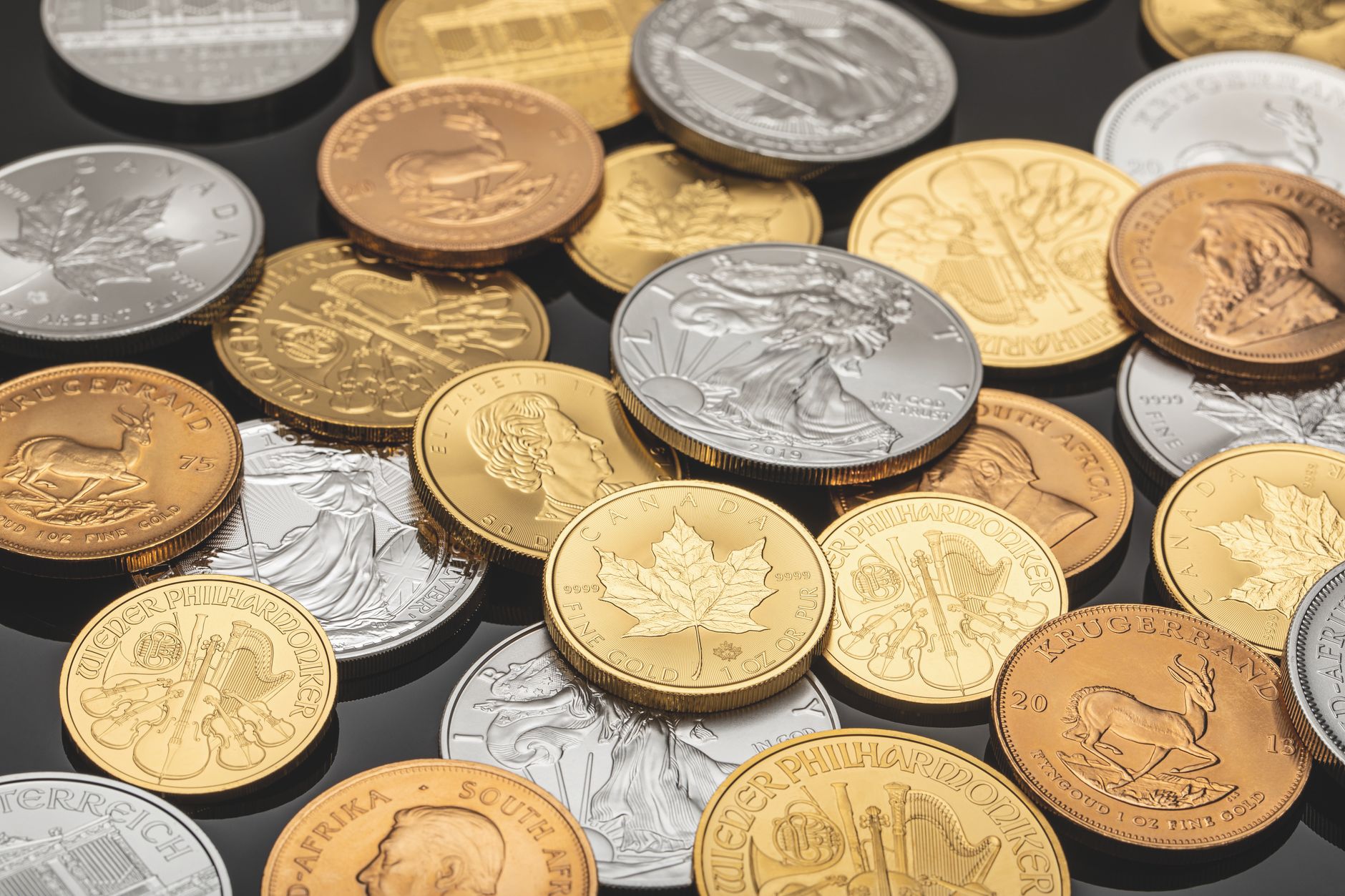
Every stacker eventually meets the gold-silver ratio. It looks simple: divide the gold price by the silver price, then decide which metal is expensive relative to the other. In practice, that little number has emptied plenty of wallets when investors treat it like a stopwatch instead of a compass.
Today’s tape gives us a useful classroom. At the 16:00 UTC update on Wednesday, May 27, gold was at $4,435.90, down $70.50, while silver was at $74.38, down $2.46. That puts the gold-silver ratio near 59.6 to 1. Platinum sat at $1,911.00 and palladium at $1,372.00, a reminder that the white-metal complex has its own supply-and-demand weather.
Reuters’ bullion coverage often boils the daily move down to dollar strength, Treasury yields, Fed-rate expectations and safe-haven demand; those are useful weather signals, not a complete stacking map.
That is the heart of this Wednesday Wisdom Circle: ratios help us slow down when price is moving fast. They do not remove judgment, premiums, taxes, storage limits or personal goals.
History: From Monetary Anchor to Market Signal

For centuries, governments tried to fix the value relationship between gold and silver. Ancient and early-modern monetary systems often clustered around ratios in the low teens, though the actual market varied by region, trade flow and mine supply. The United States Coinage Act of 1792 set a 15-to-1 ratio. France and other bimetallic systems also attempted to hold gold and silver together by law.
The market eventually outran the statutes. New mine supply, changing technology and the move toward gold-centered monetary systems widened the ratio. Silver lost some of its formal monetary role, then found new industrial uses in photography, electronics, medical applications, solar panels and investment products. Gold, meanwhile, remained the central bank metal, the crisis metal and the “no counterparty risk” metal in the public imagination.
That history matters because a stacker should not look at today’s 59.6 ratio and say, “It must return to 15.” It might compress in a silver bull run, but history is not a debt the market owes us. The better question is: compared with recent extremes, does the ratio reward adding more ounces of silver, more liquidity in gold, or simply more patience?
Fundamentals: Gold Owns Trust, Silver Owns Torque

Gold is first a monetary metal. Jewelry demand matters, mine supply matters and recycling matters, but the big swing factors are confidence, real yields, the dollar, central-bank buying and investor flows. The World Gold Council has long framed gold as both a consumer good and an investment asset, and that dual identity is why gold can rise when fear rises, even if ordinary commodity demand is not booming.
Silver is different. It is part monetary metal and part industrial input. The Silver Institute’s demand work regularly highlights electronics, solar, brazing alloys, photography, coins, bars and jewelry. That split personality gives silver its famous torque. When investors want hard assets and industrial demand looks healthy, silver can outrun gold. When liquidity gets tight or recession fears rise, silver can fall harder than gold, as today’s move shows: silver is down about 3.2% while gold is down about 1.6%.
So a ratio around 60 is not a magic “buy silver” signal. It is closer to a middle zone. Many stackers become more aggressive on silver when the ratio stretches toward the 80s or higher, because history suggests silver is then deeply discounted relative to gold. Below the 40s, some disciplined stackers consider swapping silver into gold. Between those zones, the answer is usually more personal: storage space, premiums, income stability and whether your stack already leans too heavily one way.
Practical Takeaway: Build Rules Before the Next Spike
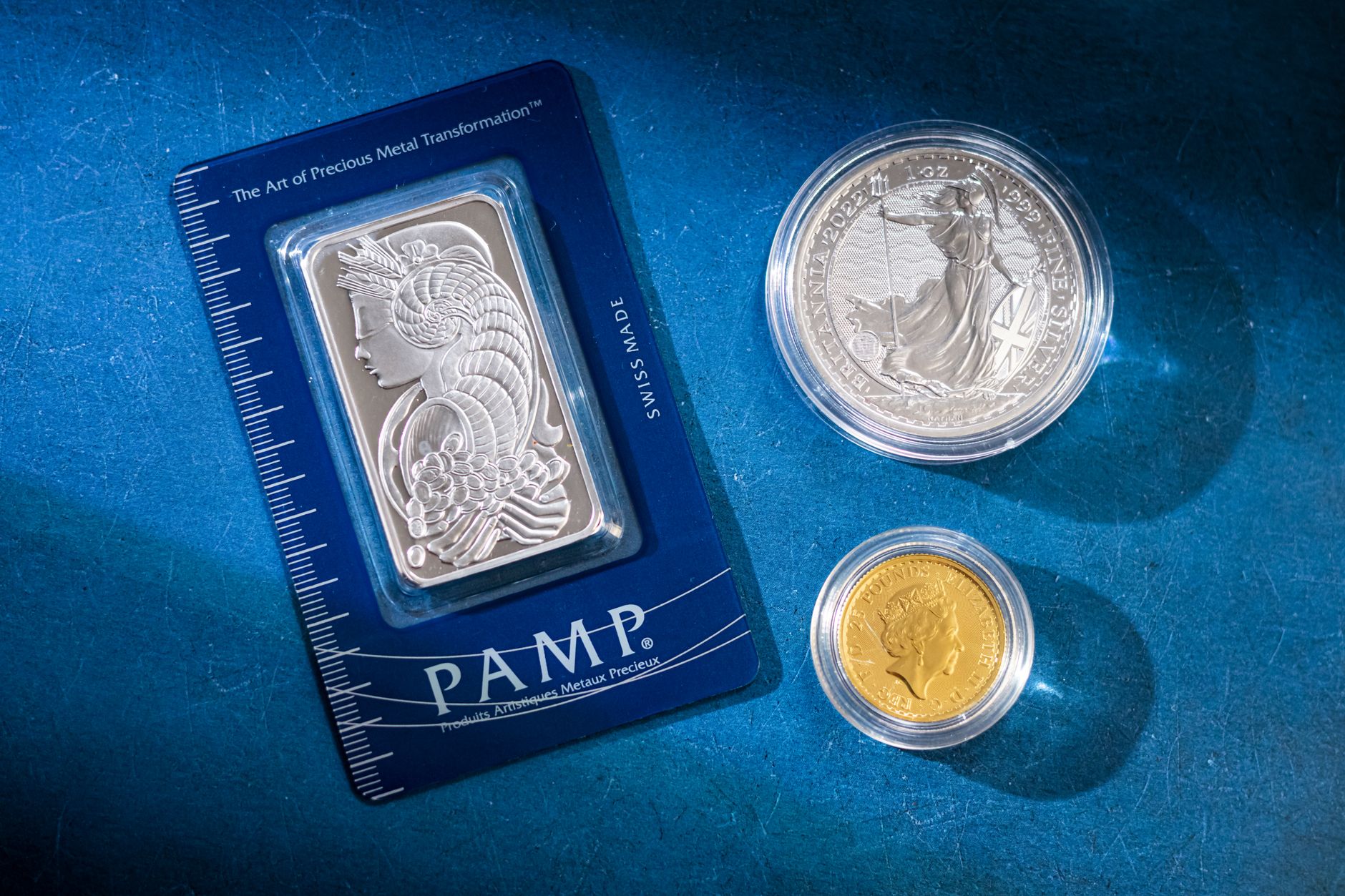
New stackers should begin with purpose, not prediction. If your goal is emergency liquidity, recognizable one-ounce silver coins and small gold pieces may beat exotic bars. If your goal is long-term wealth density, gold is easier to store, move and pass down. If your goal is maximum upside torque, silver deserves a seat at the table, but the weight and volatility are real.
Seasoned stackers can use ratio bands as guardrails. For example, above 80 you might direct new cash mostly toward silver. Between 50 and 70 you might keep buying both metals on schedule. Below 45 you might review whether some silver should be traded for gold. Those are not commandments. They are a way to remove emotion before the crowd gets loud.
Always calculate the real exchange, not the chart fantasy. A 59.6 paper ratio does not mean your dealer will swap exactly 59.6 ounces of silver for one ounce of gold. Premiums, bid-ask spreads, shipping, assay risk and taxes can turn a clever trade into a hobby with friction. Track your net metal after costs. That is the number serious stackers respect.
The wisdom is simple: let gold protect the core, let silver add torque, and let the ratio keep you honest. On a day when both metals are red but still historically elevated, discipline matters more than exment.
YDB Take: The gold-silver ratio is one of the best tools in a stacker’s kit, but only when paired with premiums, liquidity and a written plan. At roughly 59.6 today, I see balance rather than panic: keep stacking with rules, not headlines.