
Today’s Tape and the Question It Raises

At 16:00 UTC, gold is trading at $4,527.90, up $46.80 on the session, while silver is at $75.57, up $2.01. That puts the gold-silver ratio near 59.9:1, meaning one ounce of gold buys roughly 60 ounces of silver at spot. Platinum at $1,948.00 and palladium at $1,358.00 round out a green day across the metals board, but the sharper silver move is the teaching moment. On a Wednesday Wisdom Circle day, the question is not simply “what is up?” It is “what is the move teaching us?”
Reuters’ metals coverage commonly summarizes the bullion playbook this way: gold tends to find support when traders expect softer real yields or a weaker dollar, and it faces headwinds when yields and the dollar firm.
That framing matters, but stackers need a tool that is older than any single Federal Reserve meeting or currency headline. The gold-silver ratio is one of those tools. It is not a trading signal by itself, and it is definitely not a promise of a quick swap. Used correctly, it helps you compare monetary metals without getting hypnotized by nominal dollar prices.
History: A Ratio Older Than Modern Markets
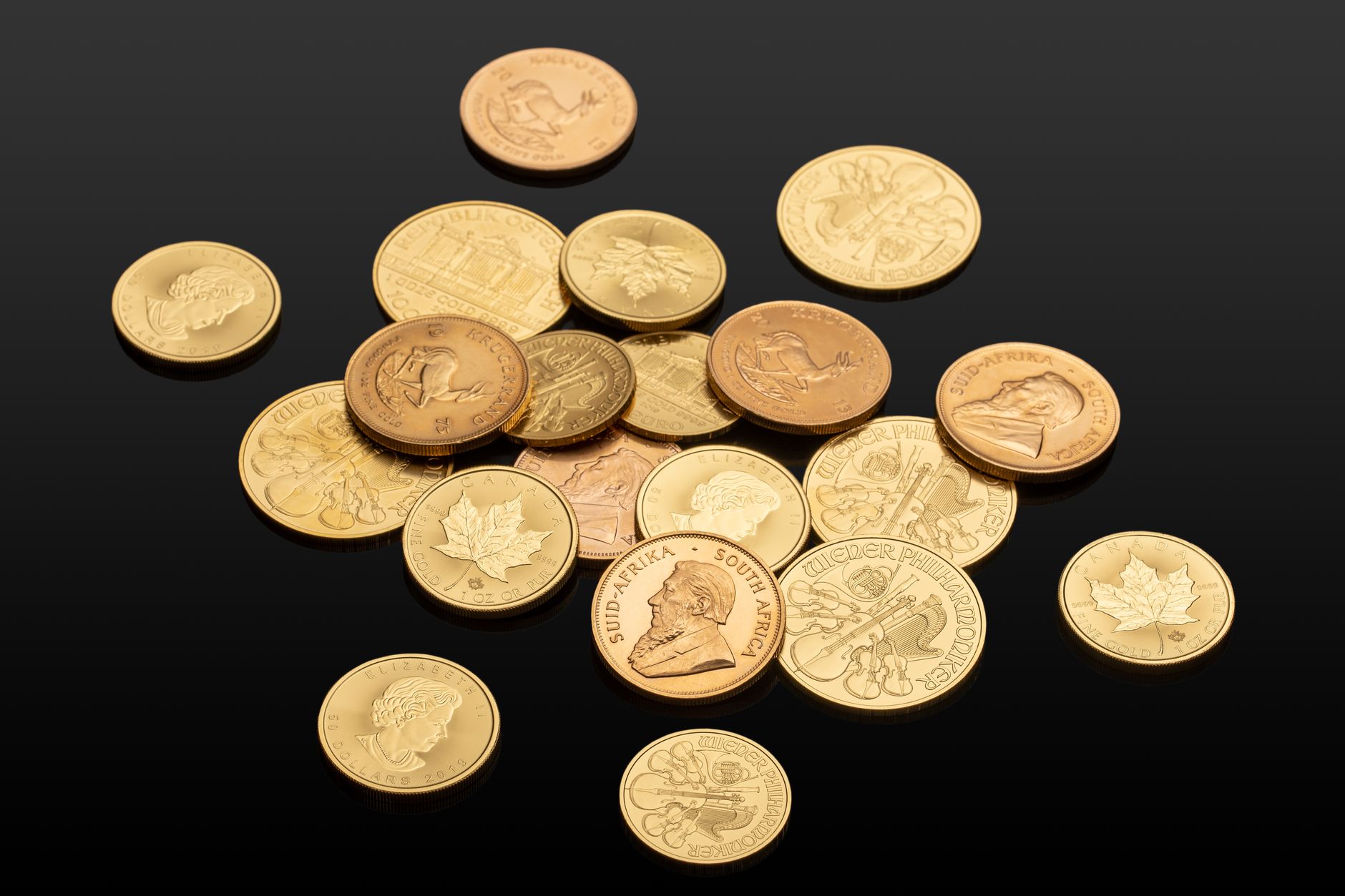
For most of recorded commerce, gold and silver lived together as money. Ancient and medieval societies used both because they solved different problems: silver handled wages, daily trade and regional commerce, while gold concentrated larger stores of wealth. A laborer, merchant and king might all use precious metal, but not always the same one. The ratio between them shifted with new mines, wars, trade routes and official coinage laws.
In the United States, the Coinage Act of 1792 effectively tried to anchor the relationship near 15 ounces of silver to one ounce of gold. The 19th-century political fight over “free silver” revolved around whether 16:1 should be defended by law. Markets eventually escaped those fixed rails. Once gold and silver traded freely as investment metals, the ratio could swing hard: it compressed during silver manias and widened during periods when gold was treated as the cleaner safe-haven asset.
That history gives us the first lesson: ratios do not reveal a permanent law of nature. They reveal perence, liquidity and stress. When silver is loved, the ratio falls. When gold is prized for compact wealth and institutional safety, the ratio rises.
Fundamentals: Why Gold and Silver Do Not Move Alike

Gold’s demand base is simple to understand even when price action is not. It is reserve money for central banks, private wealth insurance for families and a deep global market for institutions. The World Gold Council has repeatedly emphasized the role of official-sector buying in the modern gold market. Gold has industrial uses, but they do not dominate the story. That is why gold often responds to real interest rates, currency confidence, geopolitical fear and the perceived credibility of central banks.
Silver is different. It has a monetary memory but an industrial present. Solar panels, electronics, electrical contacts, medical uses and emerging energy technologies all compete with coins, bars and ETFs. That gives silver more torque. In a strong industrial cycle, silver can behave like a growth metal; in a monetary scare, it can behave like poor man’s gold. Sometimes it does both in the same month.
That dual personality explains why today’s board is interesting. Silver is up 2.73% versus gold’s 1.04%, so the ratio is tightening even while both metals are green. A ratio near 60:1 is not historically cheap silver in the way 90:1 or 100:1 would be, but it is not the exhausted silver euphoria that old-timers associate with 30:1 or lower. It is middle ground with momentum.
Practical Takeaway: Let the Ratio Guide, Not Command
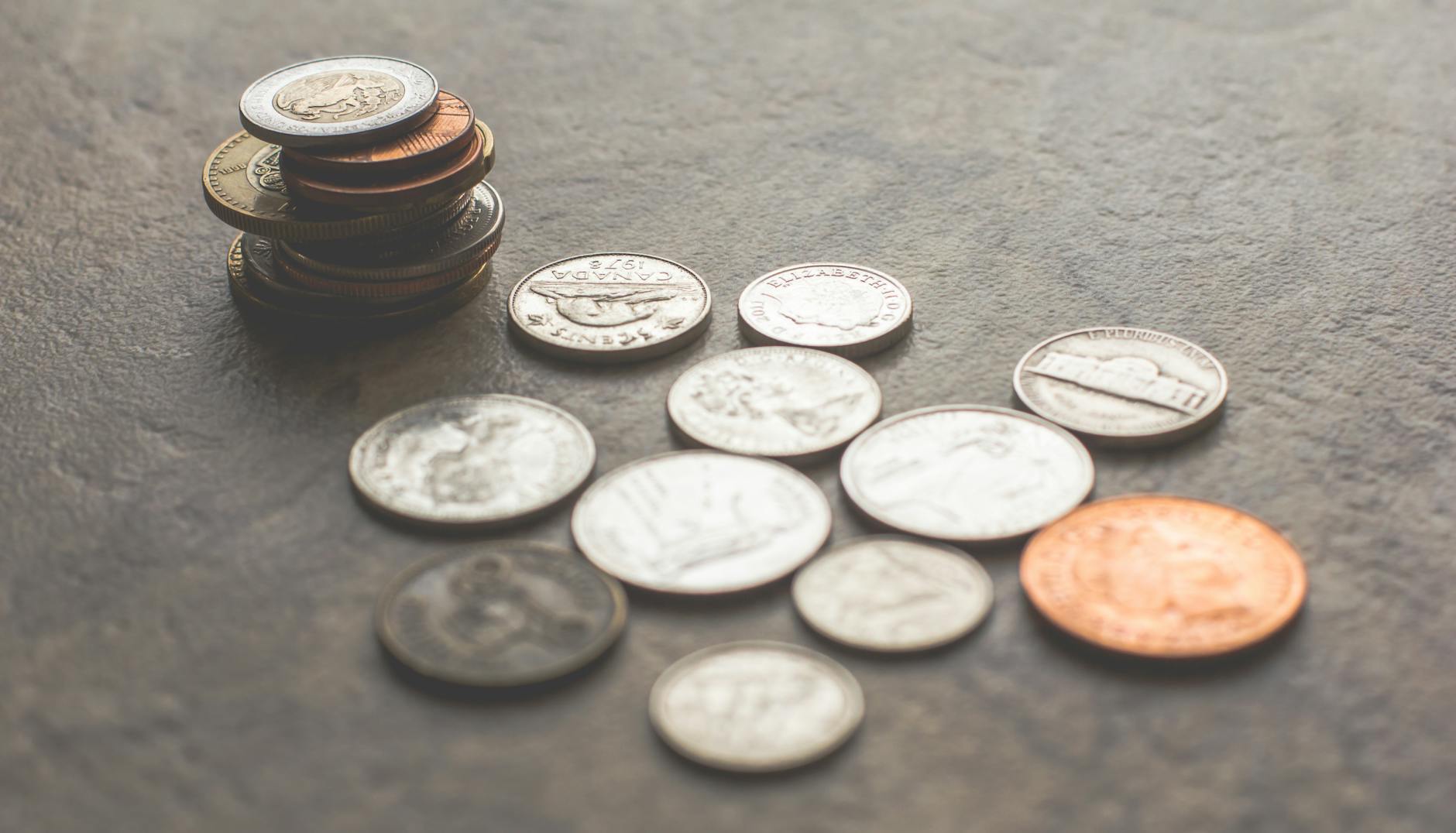
The beginner mistake is treating the ratio as a command: “sell gold, buy silver” or “sell silver, buy gold.” The veteran move is to set bands before emotion hits. For example, a stacker might lean new purchases toward silver when the ratio is unusually wide, lean toward gold when the ratio is compressed, and only consider an actual swap when the after-premium math still makes sense.
Premiums are the adult supervision in this conversation. At spot, one ounce of gold buys roughly 59.9 ounces of silver today. In the real world, you pay premiums when you buy and accept a spread when you sell. If silver rounds carry higher premiums than gold bars, the practical swap ratio may be far less attractive than the chart implies. Always calculate ounces received after dealer spreads, shipping, taxes and your time.
Storage and purpose matter too. Sixty ounces of silver is tangible, satisfying and divisible. One ounce of gold is compact, portable and easier to conceal. Neither is automatically superior. A working stack often needs both: silver for optionality and upside torque, gold for concentrated savings that can cross decades with minimal fuss.
For seasoned stackers, the ratio is also a discipline check. If your silver pile has grown because every dip “felt cheap,” compare it with your gold core. If gold’s price tag has intimidated you, remember that fractional gold, pooled saving plans and periodic purchases can build a position without needing a heroic all-in entry. The ratio should help you rebalance your thinking before it forces you to rebalance under stress.
My Wednesday rule is simple: write down your target mix, write down the ratio bands that would change your buying bias, and keep premiums in the equation. The ratio is a compass. It points. It does not drive the truck.
YDB Take: With gold at $4,527.90 and silver at $75.57, the ratio near 60:1 argues for discipline rather than drama. Keep stacking, but let the ratio sharpen your buying bias, expose premium traps and remind you that ounces only matter when they fit your plan.