
Every Wednesday Wisdom Circle starts with a simple discipline: look at the market, then look past it. As of this afternoon, gold is trading at $4,440.90, down 1.03% on the day, while silver sits at $73.27, off 2.31%. Platinum is at $1,872.00 and palladium at $1,309.00, both sharply lower as well.
That is enough red ink to make a new stacker nervous and an old stacker reach for a second cup of coffee. But the deeper lesson is not whether gold lost $46 today or silver gave back $1.73. The lesson is that precious metals investing only works when you learn to measure progress in ounces accumulated, risk reduced, and purchasing power preserved — not in the emotional weather of one trading session.
Our news search this morning did not surface a single dominant headline that explains everything. That is often the point. Metals can move on the dollar, rates, positioning, profit-taking, central-bank flows, geopolitical hedging, or simple exhaustion after a run. The market does not owe us a neat story. The stacker’s job is to build a framework that survives messy days.
Gold’s role did not begin with modern charts or futures screens. For thousands of years, societies returned to gold because it combined scarcity, durability, portability, divisibility, and broad acceptance. It was not perfect money, but it was unusually hard to counterfeit, politically neutral, and difficult to print.
Even after the world moved through the classical gold standard, Bretton Woods, and finally the fully fiat era after 1971, gold did not become irrelevant. It changed jobs. Instead of serving as the formal anchor of the monetary system, it became the outside asset that sits beyond the direct promise of a government, bank, or corporation.
That is why central banks still own it. That is why private families still hide it in safes. And that is why seasoned investors do not judge gold only by whether it is up or down on a Wednesday. They judge it by what it does across monetary regimes, debt cycles, currency resets, and confidence shocks.
Reuters has repeatedly described central-bank gold buying as a major structural feature of the post-pandemic bullion market, noting that official-sector demand has helped support prices even when interest-rate expectations shift.
That observation matters because central banks are not buying gold for a weekend trade. They buy it because gold has no board of directors, no maturity date, no counterparty risk, and no need for a bailout. Stackers should understand the message: gold is not primarily a prediction. It is a reserve.

New investors often ask, “Is gold too high?” or “Did I miss silver?” Those are fair questions, especially with gold above $4,400 and silver above $73. But better questions come first: What risk am I hedging? What time horizon am I using? What percentage of my net worth should be outside the financial system?
Gold fundamentals begin with currency confidence. When real rates rise and the dollar strengthens, gold can struggle in the short run because investors are paid more to hold cash or bonds. When real rates fall, debt burdens grow, fiscal credibility weakens, or geopolitical anxiety rises, gold tends to attract capital. But none of those forces move in a straight line.
Silver adds another layer. It is both a monetary metal and an industrial input. Solar panels, electronics, electrification, medical applications, and advanced manufacturing all pull on silver demand. That gives silver explosive upside in bull markets, but also more volatility when growth fears hit. Today’s 2.31% drop in silver is not unusual for a metal that often moves like gold with a turbocharger attached.
The cost of being early is emotional. You can buy a good asset and still watch it fall. You can correctly identify long-term currency debasement and still suffer through months of sideways action. This is why the best stackers build rules before the market tests them.
Spot price is the headline number, but stackers do not buy spot. We buy coins, rounds, bars, and sometimes vaulted metal. That means premiums matter. A silver eagle, a generic round, a 10-ounce bar, and a 100-ounce bar may all contain silver, but they do not behave the same when you buy, store, insure, or sell them.
For gold, the classic foundation remains low-premium, widely recognized bullion: one-ounce coins, fractional coins when needed, and bars from trusted iners. Fractional gold offers flexibility but usually carries a higher premium. Larger bars are efficient but may be less convenient in a personal liquidity crunch.
For silver, weight and storage become real issues faster. A serious silver position can take up space, and moving it is not trivial. That does not make silver inferior; it simply means the investor must plan. Silver is often the people’s metal, but it is also the metal that forces you to think about boxes, safes, shipping, and exit strategy.
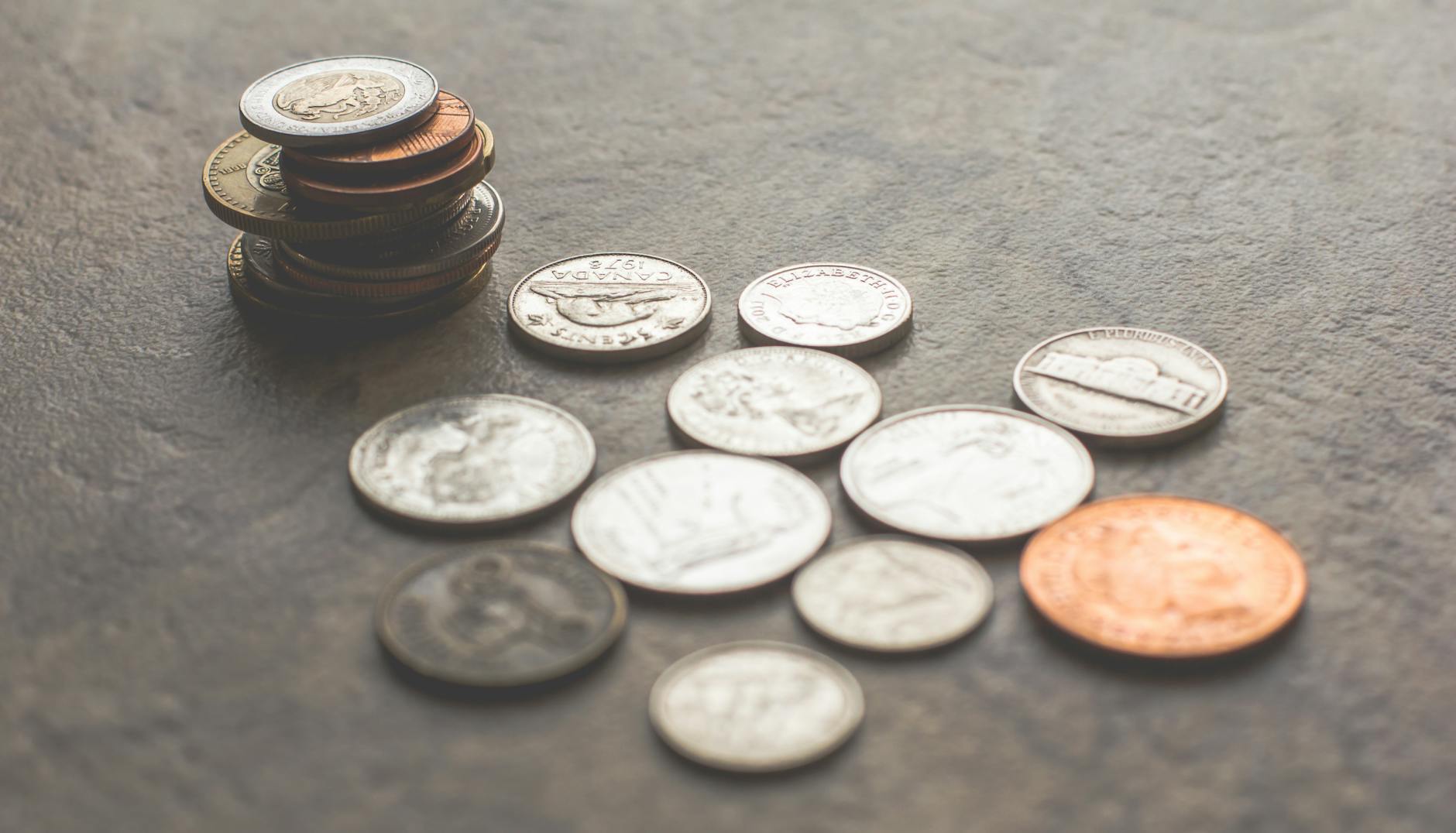
The practical move is to create a personal metals policy. Decide your target allocation first. For many conservative investors, that might mean 5% to 15% of liquid net worth in physical precious metals. More aggressive hard-money investors may choose higher. The right number depends on income stability, debt, location, storage, and temperament.
Second, separate your core stack from your trading stack. The core stack is not for guessing Friday’s jobs report. It is the financial fire extinguisher. The trading stack, if you have one, can be used for gold-silver ratio swaps, tactical silver additions, or trimming into spikes. Mixing those two piles is how people sell insurance because the premium went up.
Third, use volatility instead of worshiping it. Dollar-cost averaging works because it removes the burden of perfect timing. If gold at $4,440.90 feels expensive, buy smaller and consistently. If silver at $73.27 feels stretched, focus on low premiums and avoid chasing collectible markups unless you truly understand the numismatic market.
Fourth, keep records. Know your ounces, average cost, product types, storage locations, and heirs’ instructions. A stack that no one can find or verify is not a plan; it is a family mystery waiting to happen.
Finally, remember why you started. Precious metals are not designed to make you feel clever every day. They are designed to keep you solvent when clever systems fail. The Wednesday Wisdom Circle answer to a red metals screen is not panic. It is process.
YDB Take: Today’s pullback is a useful reminder that gold and silver are long-game assets, not mood rings. Build the stack around ounces, liquidity, and purpose; then let the headlines come and go without forcing you out of your own plan.
## Frequently Asked Questions ### Why is gold down today if it is a safe haven? Gold can fall on profit-taking, dollar strength, rate expectations, or broad market positioning even when its long-term safe-haven role remains intact. A one-day move does not erase its function as reserve insurance. ### Is silver a good investment for new stackers? Silver can be useful for new stackers because it is divisible and has both monetary and industrial demand. It is also more volatile than gold, so buyers should watch premiums and storage needs. ### How much gold and silver should I own? Many conservative investors target 5% to 15% of liquid net worth in physical precious metals, though the right allocation depends on debt, income stability, storage, and risk tolerance. --- *Nothing on YourDailyBullion constitutes financial advice. Always do your own research.*