
Silver’s Week in Review: Price Was the Headline
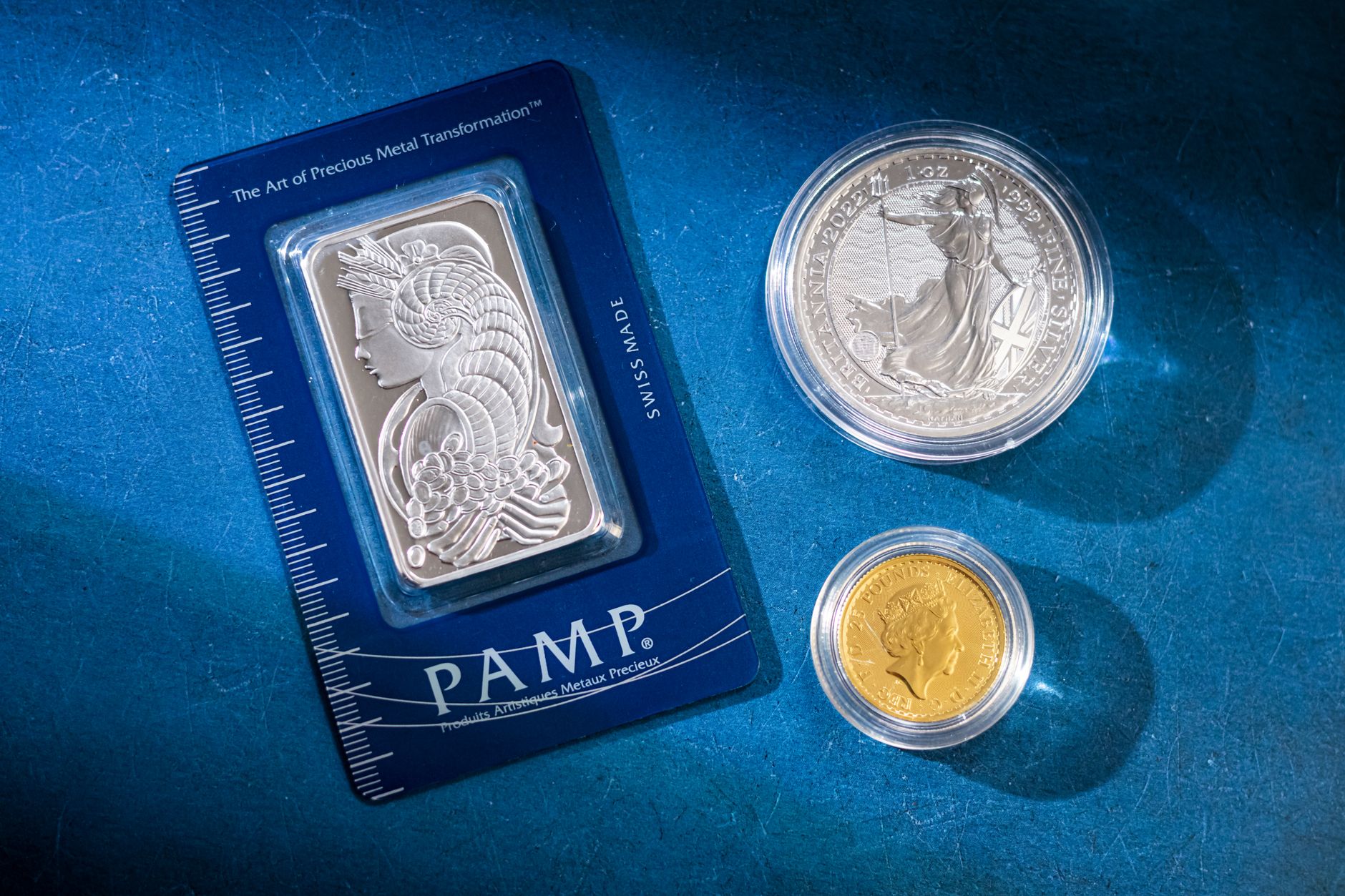
Silver goes into this Saturday at $75.15 per ounce, down $0.38 on the latest spot tick, or about 0.50%. The intraday range was still lively, with silver printing a high of $76.77 and a low of $74.49. Gold sits at $4,538.30, up $43.40, which gives us the number stackers always want first: a gold-to-silver ratio of roughly 60.4:1.
Our past-week sweep for silver-specific headlines came up lighter than usual. That matters. When the news tape is quiet but spot holds above $75, price itself becomes the headline. This was not a week where one mining strike, one exchange story, or one flashy ETF headline carried the whole conversation. It was a week of digestion after a big re-rating in a metal that is now expensive enough to punish sloppy buying but still cheap enough, relative to gold, to keep serious stackers interested.
Reuters has repeatedly described silver as trading with two magnets: expectations for U.S. interest rates and the dollar on one side, and industrial demand from solar panels and electronics on the other.
That two-magnet setup explains the current feel of the market. Gold is catching a bid as monetary insurance, while silver has to answer an extra question: is the industrial side still strong enough to justify premium prices? For now, the answer looks constructive, but not careless. A $75 silver market rewards discipline.
Gold-to-Silver Ratio: 60.4 Is Not Cheap, But It Is Tradable
At $4,538.30 gold and $75.15 silver, the ratio is 60.4. In plain English, one ounce of gold buys a little more than 60 ounces of silver. For stackers who remember 80:1 and 90:1 opportunities, this is not a back-up-the-truck ratio. It is, however, still far from the panic-low ratios that appear when silver goes vertical.
The math is useful. If gold stayed flat and the ratio compressed to 55:1, silver would imply about $82.51. At 50:1, the implied silver price jumps to about $90.77. On the other hand, if the ratio widened back to 65:1 with gold unchanged, silver would imply roughly $69.82. That is the battlefield: upside is still meaningful if silver outperforms, but the margin for bad entries is thinner than it was when silver traded in the twenties.
My read: the GSR is no longer screaming “swap gold into silver,” but it is still friendly to steady silver accumulation for anyone underweight the white metal. If you are already silver-heavy, this is the zone to get more selective and let premiums do some of the deciding.
Industrial Demand: Solar Still Sets the Tone

The industrial side of silver remains the deep story. The Silver Institute’s survey work has consistently placed electrical and electronics demand, photovoltaics, brazing alloys, and other industrial uses at the center of the market. Solar is the cleanest talking point because every panel still needs silver-bearing paste, even as manufacturers keep trying to thrift loadings.
That thrift matters, but it does not erase the trend. When solar installations grow, grid investment rises, data centers expand, and electrification keeps moving through vehicles and infrastructure, silver keeps showing up in the bill of materials. Unlike gold, silver gets consumed, dispersed, soldered, printed, and embedded. Some of it returns through recycling; much of it does not return quickly or economically.
The risk for bulls is recessionary demand destruction. A manufacturing slowdown can cool the industrial bid in a hurry. The counterpoint is that energy infrastructure, defense electronics, and grid upgrades are increasingly strategic rather than purely cyclical. That is why I treat industrial demand as a floor-builder, not a moonshot guarantee.
Two Silver Opportunities Worth Watching
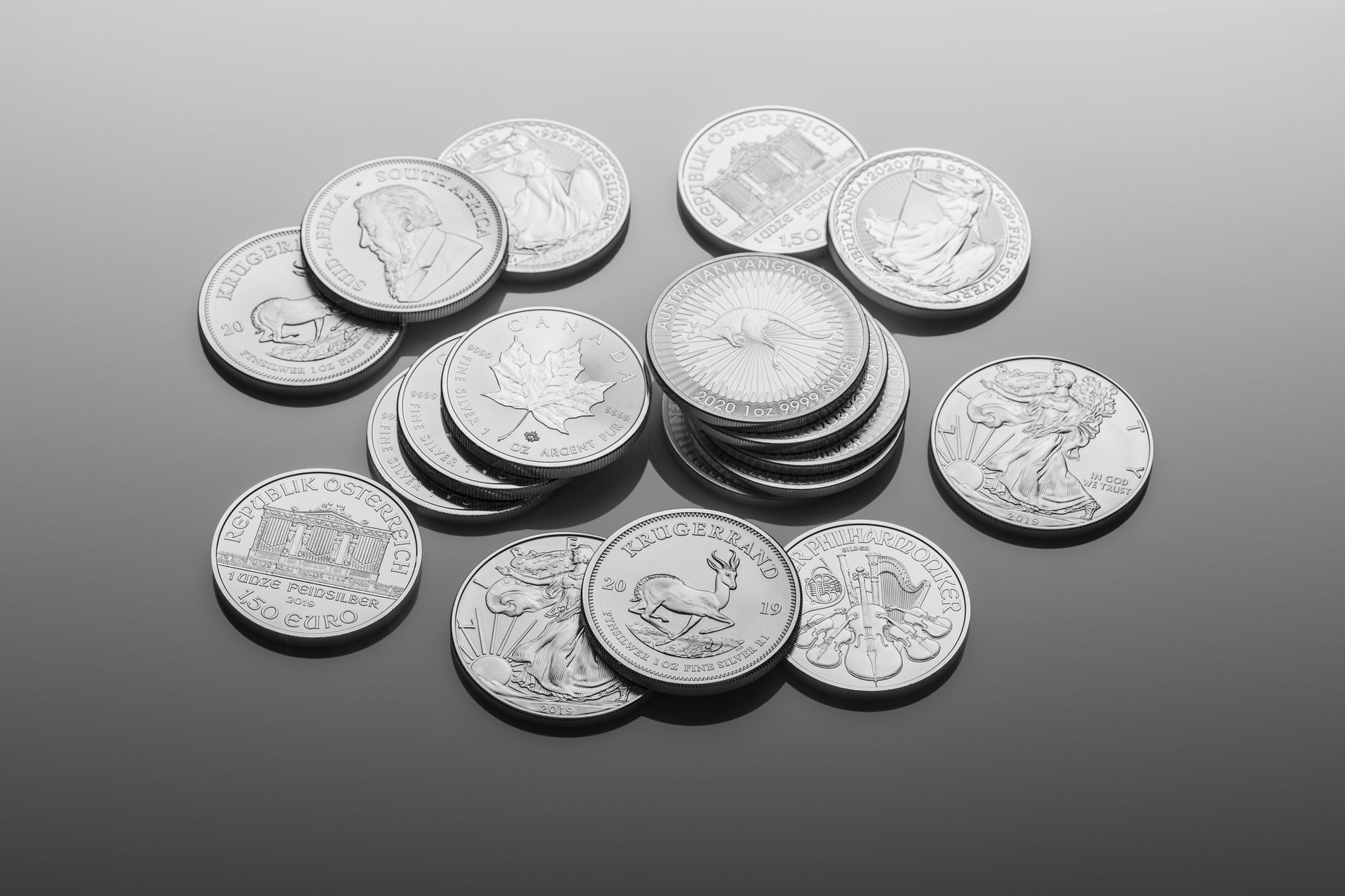
First: 10-ounce .999 bars. At current spot, the melt value of a 10-ounce bar is about $751.50 before premium. In a $75 silver market, the percentage premium matters more than the sticker shock. A $30 premium per bar is roughly 4%; a $60 premium is roughly 8%. That spread difference is real money. If your goal is maximum ounces, favor recognizable private-mint or sovereign-mint bars with tight buy/sell spreads, clean packaging, and easy resale.
Second: pre-1965 U.S. 90% silver dimes and quarters. One dollar of face value contains about 0.715 troy ounces of silver, making melt roughly $53.74 at today’s spot. A $10 face bag carries about 7.15 ounces, or roughly $537.32 melt. This is not always the cheapest silver, but it is durable, divisible, familiar, and highly liquid among American stackers. If premiums are reasonable, constitutional silver remains one of the best “real-world use” forms of the metal.
I would be slower to chase novelty rounds, colorized products, and slabbed modern bullion unless the premium is plainly justified by a collector market you understand. At $75 spot, a bad premium is not a small mistake; it is the difference between stacking silver and buying a story.
What I’m Watching Next
Next week, I want to see whether silver can hold the mid-$70s without a major headline catalyst. I am also watching whether gold strength continues to drag silver higher or whether the ratio widens, which would tell us investors are favoring monetary metal over hybrid industrial metal.
The cleanest bullish signal would be silver holding $74-$75 while gold remains firm and industrial headlines stay supportive. The warning sign would be a sharp ratio move back above 65:1, especially if it comes with weaker manufacturing data or a stronger dollar.
YDB Take: Silver at $75.15 is no longer a casual accumulation market, but a 60.4:1 gold-to-silver ratio still leaves room for disciplined stackers. I like low-premium 10-ounce bars for ounce building and 90% U.S. silver for liquidity, but I would let premiums—not emotion—decide the buy.